
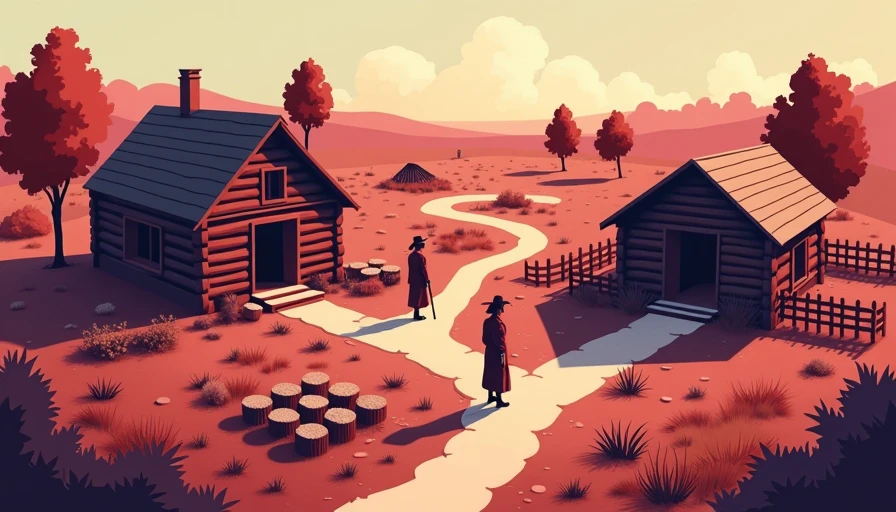
When we ask what did pioneer women wear, the popular image often involves calico bonnets and long dresses. The reality is more complex and far more practical. Pioneer women adapted their clothing to the demands of frontier life, balancing modesty, durability, and the limited resources available on the trail and in remote homesteads.
The basic silhouette was inherited from mid-19th century fashion: a fitted bodice, full skirt, and multiple layers underneath. However, the constraints of travel and manual labor forced many women to simplify and modify their garments. Here is what actually went into a pioneer woman's wardrobe.
The Layers of a Pioneer Woman's Wardrobe
A pioneer woman typically wore several layers. The first was a chemise, a loose linen or cotton shift that served as underwear and absorbed sweat. Over this went drawers, often open-legged for convenience, and then one or more petticoats. These petticoats were not just for modesty but also for warmth. A corset was still common, though many women opted for a lighter version called a "short stay" or simply a sturdy waistband to support the bust and tame the waist. Over the corset came a bodice or blouse, and then a skirt. The bodice was often buttoned up the front, while the skirt fastened at the waist and fell to the ankle or floor.
For everyday work, pioneer women often wore a simple apron to protect the skirt from dirt and stains. The apron could be easily removed and washed, saving the more valuable dress fabric.
Fabrics and Practicality
What did pioneer women wear made of? The answer depends on where they lived and what they could afford. Homespun linen and wool were common in isolated areas where women spun yarn and wove cloth themselves. But as transportation improved, store-bought cotton calico became widely available. Calico was light, easy to sew, and washable, which made it ideal for hot summers as well as for traveling. Wool was preferred for winter and outerwear.
A distinct fabric was linsey-woolsey, a blend of linen and wool that was warm and durable. Many pioneer women owned just two or three dresses: one for everyday wear, one for best, and perhaps a third for Sunday church services. The everyday dress was often a darker print to hide dirt, while the best dress might be a brighter calico. Cloth was expensive, so mending and patching were constant tasks.
Headwear and Footwear
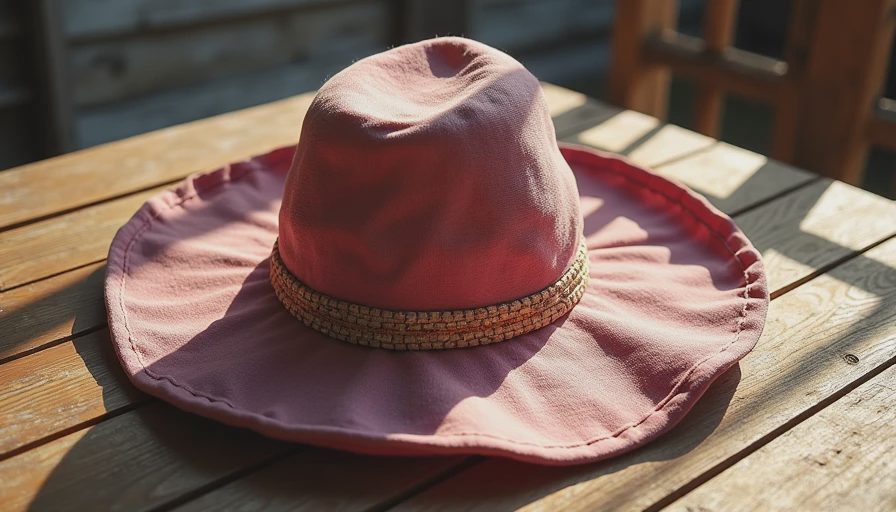
Bonnets are the most iconic piece of pioneer women's headwear, but they served a practical purpose. The sunbonnet shielded the face from sun and wind, and its wide brim also helped preserve eyesight by reducing glare. Women wore bonnets nearly every time they went outside. Indoors, they might wear a simple cap or nothing at all. Hats were less common; bonnets were easier to pack and could be made at home.
Footwear was a challenge. Most pioneer women wore leather boots or shoes, often low-cut and sturdy. On the trail, shoes wore out quickly, and cobblers were rare. Some women went barefoot when possible to save their shoes. In winter, wool stockings and felt-lined boots provided warmth. Moccasins, adopted from Native Americans, were also used by some pioneers for their practicality.
Adaptations for the Trail
When emigrating west, women had to pack light. They often cut their dresses shorter, to just below the knee, to avoid dragging in mud or dust. Some even adopted a "costume" that included a shorter skirt and trousers or leggings underneath for riding and walking. These adaptations were controversial but necessary. The typical trail dress was made of sturdy cotton or wool, with minimal decoration. Aprons, as mentioned, were essential. Women also wore a sunbonnet and sometimes a dust veil over the face.
Once settled on a homestead, pioneer women returned to longer skirts but still kept their wardrobes simple. They continued to sew and mend, often making clothing for the entire family. The iconic calico dress remained common through the 1800s, though styles evolved slightly with the decade.
How Pioneer Women Made Their Clothes
To fully answer what did pioneer women wear, we must also look at how they made their clothes. Most pioneer women were skilled seamstresses. They relied on patterns from sources like Godey's Lady's Book, a popular magazine that included dress patterns and fashion plates. Butterick patterns, introduced in the 1860s, became widely available. Women would trace the pattern pieces onto fabric using chalk or charcoal, then cut and sew by hand. Sewing machines began appearing in the 1850s, but they were expensive and heavy, so many women continued hand-sewing for years. Stitches had to be small and even to create strong seams that could withstand hard wear. Dyes were often homemade from plants and minerals, producing shades of brown, gray, and muted reds. Finer dresses might use indigo for blue or madder for red. The entire process took days or weeks for a single dress, making every garment precious. Understanding this labor-intensive process underscores the resourcefulness of pioneer women who managed to maintain a sense of style despite limited resources.
The Bottom Line on Pioneer Women's Clothing
What did pioneer women wear? The answer is a carefully balanced wardrobe of practical layers, durable fabrics, and simple accessories like bonnets and aprons. Every piece had a purpose, and no outfit was wasted. Pioneer women's clothing reflects resilience and resourcefulness, adapting 19th-century fashion to the harsh realities of frontier life. Understanding these details gives us a richer appreciation of the challenges they faced and the ingenuity they brought to daily survival.