
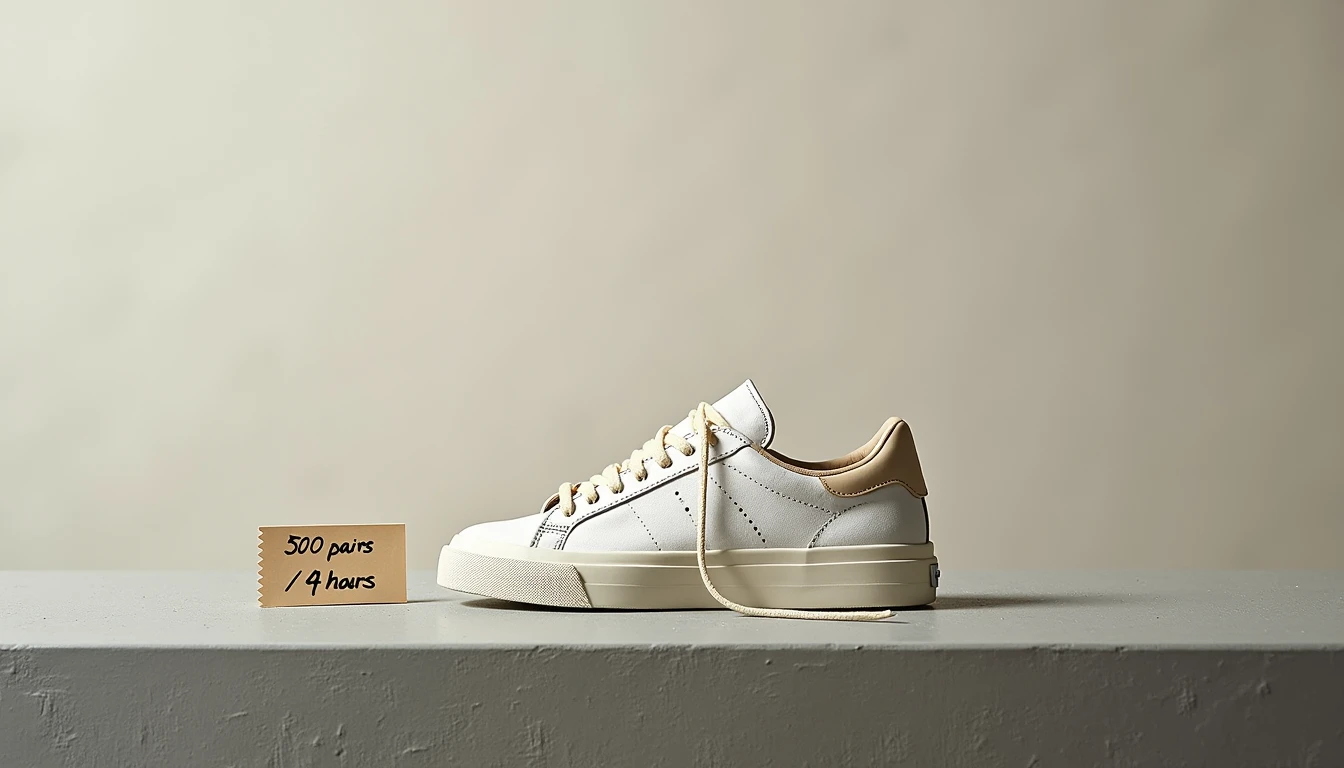
The key number: 4 hours.
At 10:00 AM on Saturday, Atlanta-based footwear designer Julian "Julez" Hammond released his first independent sneaker. By 1:47 PM, every pair was gone.
Five hundred units. One hundred and eighty dollars a pair. Zero traditional marketing spend.
Here is how it happened — and why national retailers are already calling.
The Designer Behind the Drop
Hammond, 31, spent the last seven years as a freelance footwear consultant, working on performance sneakers for second-tier athletic brands and custom projects for private clients. He never held a formal design job at Nike, Adidas, or New Balance — the usual pipeline for independent launches.
"I was tired of making other people's visions better," Hammond told Atlanta Fashion Report. "I wanted to make my own mistakes and my own wins."
His brand, Stride Theory, launched quietly in January with a waiting list and no product. The $180 sneaker — a low-top court silhouette with a deconstructed upper, exposed foam tongue, and a cupsole that Hammond hand-molded himself — was the first physical output.
The Shoe: Specs and Strategy
Detail | What It Is |
|---|---|
Name | Stride Theory "Cipher 001" |
Price | $180 |
Units | 500 |
Colorway | Bone / off-white with cream lace accents |
Upper Material | Deconstructed nubuck and mesh |
Sole | Custom cupsole (Hammond owns the mold) |
Production | 300 units Atlanta-assembled, 200 units overseas |
Release Type | Online only, no bot protection |
The design is intentionally unflashy. No logos. No aggressive branding. The only signature is a small embossed "ST" on the heel tab. Hammond describes the aesthetic as "what a courtroom sneaker would look like if lawyers dressed like producers."
That restraint appears to have been the selling point.
"We were not chasing hype," Hammond said. "We were chasing the person who owns three pairs of Common Projects but wants something that does not cost $500."
How He Sold Out Without a Marketing Budget
Here is where the Atlanta angle becomes critical.
Hammond did not buy Instagram ads. He did not send free pairs to influencers. Instead, he leaned into two local assets: ### community and scarcity done differently.
First, the waiting list. Between January and April, Hammond collected 2,300 email addresses through a simple landing page. No paid traffic. The list grew entirely through word-of-mouth in Atlanta's creative circles — graphic designers, architects, music producers, and other footwear enthusiasts who met Hammond at local events like Sneaker Swap ATL and the Westside's First Friday art walks.
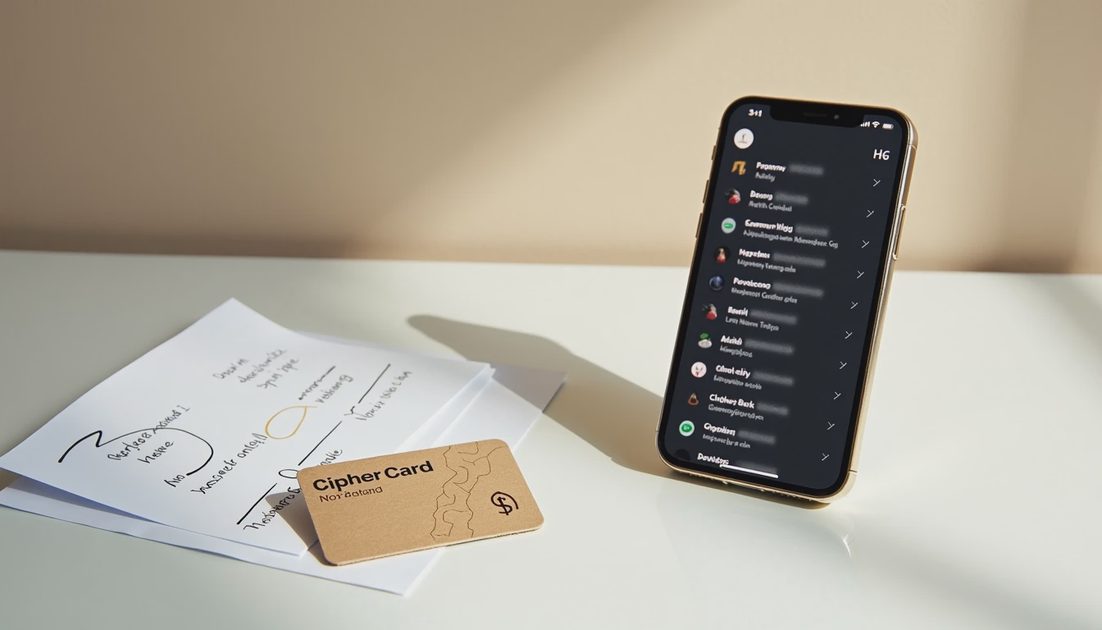
Second, the Thursday night preview. On the Thursday before the Saturday drop, Hammond hosted an invite-only viewing at a friend's studio in Adair Park. Fifty people showed up. Each received a physical "Cipher Card" — a numbered access token that unlocked early purchase but did not guarantee a pair. Those 50 people told their friends. By Friday afternoon, Stride Theory's website had 8,000 unique visitors.
Third, the four-hour window. The drop went live at 10:00 AM on Saturday. No announcement on the brand's Instagram until 10:02 AM — after the first 200 pairs had already sold to waiting list members who received a private link at 9:45 AM.
"We never wanted bots or resellers to be the first customers," Hammond said. "The waiting list got first look. The Thursday night group got early access. Everyone else filled the gaps."
By 1:47 PM, the site showed "Sold Out."
What the Numbers Tell Us
500 pairs × $180 = $90,000 gross revenue
Production costs (estimated):
Atlanta-assembled units (300): ~$68 per pair
Overseas units (200): ~$42 per pair including shipping
Total COGS: ~$28,800
Estimated gross margin before overhead: ~68 percent
That margin is strong for a first drop. Established sneaker brands typically run 50–55 percent at retail. Hammond's direct-to-consumer model and lower-cost overseas batch gave him room.
But the real signal is demand velocity. Four hours for a $180 shoe from an unknown designer without celebrity backing is unusual. For context, most independent sneaker launches at that price point take 48–72 hours to sell 500 units — or never sell out at all.
What Comes Next
Hammond is already planning the "Cipher 002," scheduled for September. He told Atlanta Fashion Report that he has been contacted by three specialty retailers — two in Atlanta and one in Los Angeles — about wholesale placements.
"We are not rushing into retail," he said. "I want to prove the second drop sells out just as fast before I let someone else hold my inventory."
He is also hiring. Stride Theory currently operates with Hammond as the sole full-time employee, plus contract help for logistics. The brand plans to add a production coordinator and a community manager — both based in Atlanta — by Q1 2027.
Why This Matters for Atlanta Fashion
This is not a story about a sneaker. It is a story about what is possible without the traditional infrastructure.
Atlanta has sneaker culture — deep, knowledgeable, and cash-positive. But most of that energy has flowed toward resale and retail, not original design. Hammond proved that a local designer with a focused product, a waiting list, and a community-first rollout can bypass the traditional gatekeepers.
Here is what the national coverage missed: Hammond's factory partner for the Atlanta-assembled units is a small leather goods workshop on Memorial Drive that usually makes custom bags and belts. They had never produced a sneaker before. He taught them.
That is not scalable. But it is distinctly Atlanta — resourceful, collaborative, and unwilling to wait for permission.
We Will Follow Up
Atlanta Fashion Report will revisit Stride Theory in 90 days. We will report:
Sell-through rate on the second drop
Whether wholesale deals close
How many of the original 500 pairs end up on resale markets (versus feet)
For now, the headline stands: four hours, 500 pairs, $180 each. No ads. No celebrity. Just design and a city that showed up.