Atlanta Fashion Week 2026 is officially in the books. The runways have been struck. The after-parties have ended. The buyers have flown home or back to their regional stores.
Now comes the real work: figuring out what actually happened.
Here are the six stories that defined this year's AFW — the highlights, the business outcomes, and what they tell us about where Atlanta fashion is headed.
The Adidas + HBCU Student Show Was the Week's Most Important Moment
What happened: Adidas gave its opening day platform to three HBCU student designers: Naima Starr, Ja'Rory Purnell, and Chance Sanderlin. They reimagined classic Adidas silhouettes — one turning a tracksuit into a high-slit gown, another fusing denim and pearls.
Why it matters: A global sportswear brand could have flown in its own designers. Instead, it invested in local HBCU talent. That is not charity. That is a signal that Atlanta's design schools are now seen as legitimate talent pipelines by major corporations.
What comes next: Watch whether Adidas repeats this partnership next season. If they do, it becomes a program, not a one-off activation.
One quote from the week: "Atlanta has a lot of pillars of culture… not just music, but fashion, too. It's long overdue for the recognition it deserves." — Fani, featured AFW artist
KINSHÉ's Homecoming Show Delivered — But the Real Test Is Wholesale
What happened: KINSHÉ designer Kaya Richards showed the same Spring/Summer 2027 collection she will take to Paris in September. The seven-way blazer was the standout. The audience response was strong.
Why it matters: Richards is Atlanta's best current case study for how to build a national brand from outside the traditional coastal hubs. But AFW was not the finish line. It was a proving ground.
What comes next: The real test is wholesale. Richards currently has two stockists. AFW was her chance to add regional Southern accounts before Paris. We will track how many orders actually close in the next 60 days.
What we are watching: If she signs three new retail partners by August, the Paris momentum is real. If not, the buzz remains just buzz.
The Emerging Designer Showcase at SCAD Atlanta Was Oversubscribed
What happened: For the first time, AFW dedicated a full day to SCAD Atlanta graduates and current students. Nine designers showed. The winner received a fully funded booth at MAGIC market in Las Vegas.
Why it matters: The showcase was oversubscribed by 40 percent, according to SCAD faculty. That means demand for entry-level runway platforms exceeds supply. That is a good problem for Atlanta to have.
What comes next: AFW has already committed to expanding the emerging designer track in 2027. Expect either a longer SCAD day or a separate emerging-only event.
What we are watching: Whether any of the nine SCAD designers land wholesale deals directly from their AFW exposure. That would be the quickest validation of the showcase model.
Streetwear Night Drew Buyers — But No Major Orders Yet

What happened: Thursday night's streetwear showcase featured four Atlanta-based brands, none of which have significant wholesale distribution. Regional buyers attended. But as of the end of the week, no major orders had been confirmed.
Why it matters: Streetwear is Atlanta's most obvious fashion export. If the city's streetwear brands cannot convert runway attention into wholesale revenue, that is a problem.
What comes next: The four brands are in follow-up conversations with three regional retailers. We will report back in 60 days on whether those conversations turned into purchase orders.
The skeptical take: Buyers attend AFW to look, not necessarily to buy. Converting that look into revenue requires follow-up infrastructure that many emerging brands lack. That is the next gap to close.
Attendance Hit 9,200 — Falling Short of Projections but Still Growing
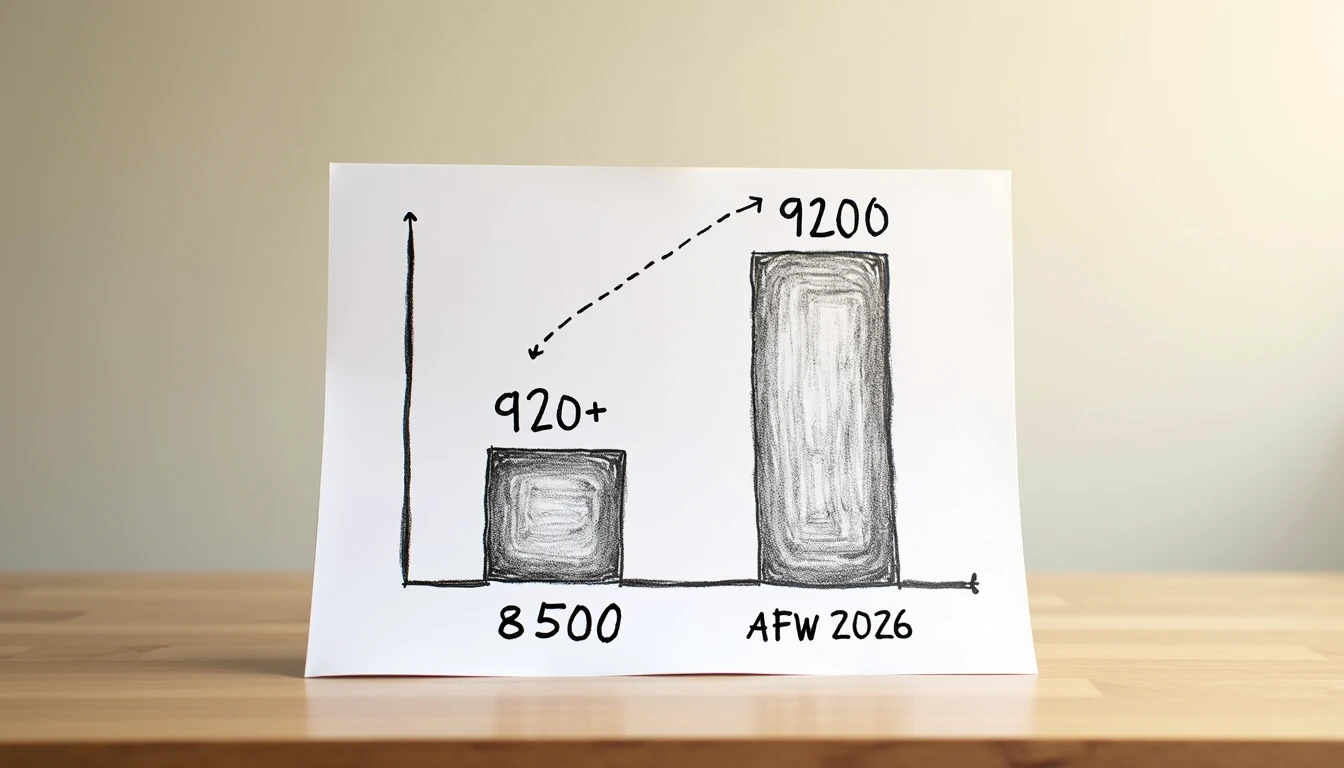
What happened: AFW projected 10,000+ attendees. Final count came in at 9,200 across five days. That is an 8 percent increase over Fall 2025's 8,500, but short of the goal.
Why it matters: The miss is not a failure — growth is growth. But it suggests that AFW's move to multiple venues (Ponce City Market, Westside, SCAD) may have spread the audience thin rather than expanding it.
What comes next: Organizers will likely consolidate venues in 2027 or invest more heavily in public marketing to drive attendance. The free panels on Tuesday drew well. Ticketed shows on Thursday and Friday were lighter.
What we are watching: Whether AFW returns to a single primary venue next season or doubles down on the multi-venue strategy with better transit and signage.
The Call for More Press Became the Week's Most Repeated Refrain
What happened: Fani's opening night quote — "We just need more press down here, because that's what creates value in fashion" — was echoed by designers, attendees, and even some buyers throughout the week.
Why it matters: The talent is here. The infrastructure is improving. But without sustained national media attention, Atlanta's fashion ecosystem will remain undervalued relative to its output. Press creates value. Value attracts investment. Investment builds industry.
What comes next: AFW organizers are reportedly in conversations with two national fashion publications about dedicated Atlanta fashion verticals or regular coverage. Those conversations are preliminary.
What we are watching: If a major outlet (WWD, Vogue Business, Hypebeast) assigns a dedicated Atlanta fashion reporter in the next 12 months, that is the real breakthrough.
The After-Show Analysis: What Actually Changed
Beyond the six stories, here is the honest take on where AFW 2026 leaves Atlanta's fashion ecosystem.
Three things improved:
1. Global brand engagement. Adidas showed up in a meaningful way, not just a sponsorship banner. That matters for attracting other brands.
2. Emerging designer infrastructure. The SCAD showcase proved there is a pipeline. Now it needs to be funded and scaled.
3. Public access. Free panels and $35 show tickets brought in non-industry attendees. That builds long-term cultural relevance.
Three things did not improve enough:
1. National press attendance. Still too light. Still a problem.
2. Major buyer presence. Regional stores came. Department stores did not.
3. Post-show conversion. Too many brands with great runways and no follow-up plan.
The Future Outlook: What Comes Next for Atlanta Fashion
Based on what we saw this week, here is our forecast for the next 12 to 18 months.
Short-term (next 6 months):
KINSHÉ's Paris show in September will bring national attention back to Atlanta.
At least two of the SCAD emerging designers will launch full brands.
One of the streetwear brands from Thursday night will announce a wholesale deal.
Medium-term (12–18 months):
AFW will either consolidate to one primary venue or add a dedicated shuttle system between venues.
A national publication will assign a part-time Atlanta fashion reporter.
One Atlanta-based brand will raise a seed round of $1 million or more.
The optimistic case: Atlanta fashion follows the same trajectory as Atlanta film — slow, steady, under-the-radar growth, followed by a sudden recognition that the infrastructure has been there all along.
The realistic case: Growth continues, but slowly. The press gap takes years to close. The buyer gap takes even longer. But the talent gap? That is already closed.