
Let us be clear from the start: Atlanta Fashion Week is not trying to be New York Fashion Week. It is smaller. It is younger. It does not have the history, the media infrastructure, or the international buyer presence that NYFW commands.
But smaller does not mean worse. It means different. And for certain designers, certain buyers, and certain audiences, Atlanta's differences are actual advantages.
Here is a practical comparison.
The Cost Difference
This is the most obvious advantage but also the most meaningful.
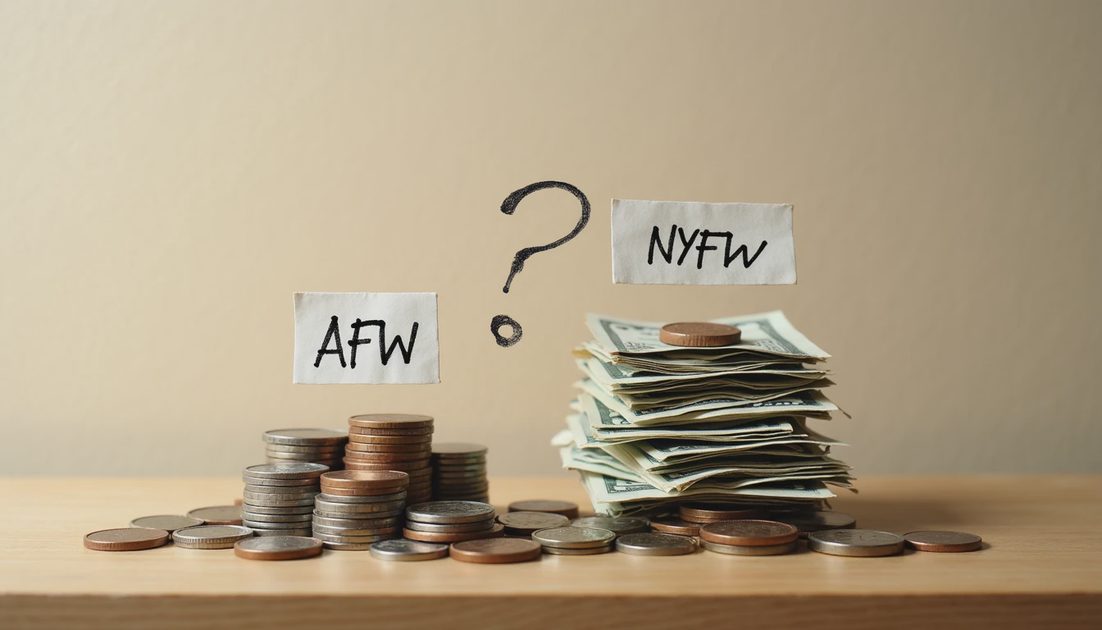
New York Fashion Week: A small brand showing an off-calendar presentation can easily spend $50,000 to $100,000. A main calendar runway show starts at $200,000 and goes up from there. Venue rental, production, lighting, sound, seating, models, hair, makeup, catering, security, PR — it adds up fast.
Atlanta Fashion Week: The same brand showing in Atlanta spends roughly $15,000 to $30,000 for a full runway slot, according to estimates from designers who have done both. Lower venue costs, lower labor rates, and fewer "required" expenses (no one expects gift bags or an open bar at AFW).
For an emerging designer with limited runway, that difference is the difference between showing and not showing.
What this means: A designer can show at AFW for three consecutive seasons for roughly the cost of one NYFW appearance. That allows for iteration, learning, and improvement. In New York, most small brands get one chance. If they do not nail it, they cannot afford to come back.
Access and Gatekeeping
New York Fashion Week: The official calendar is controlled by the Council of Fashion Designers of America (CFDA). Most emerging designers cannot get on it without a publicist, a major investor, or a celebrity connection. The unofficial shows and presentations are easier to access but receive far less attention from buyers and press.
Atlanta Fashion Week: The application process is public. Selection is based on portfolio, sales history, and demonstrated capability — not connections. Last season, 40 percent of applicants were from outside Georgia. That would not happen in New York.
One Atlanta-based designer who showed at both told us: "In New York, I spent six months begging for introductions. In Atlanta, I filled out a form, paid an application fee, and heard back in three weeks."
What this means: AFW is a meritocracy in a way that NYFW is not. That does not make AFW better. It makes it more accessible. For a designer from Detroit or Birmingham or Jackson, that accessibility is everything.
The Audience
New York Fashion Week: The front row is editors, celebrities, and top-tier buyers. That is valuable — extremely valuable. But it is also closed. Most shows are invite-only. General admission does not exist.
Atlanta Fashion Week: The audience is mixed. Industry buyers and press attend, but so do local customers, students, and fashion enthusiasts. A single show ticket costs $35 to $55. A full week pass is $350.
That changes the energy. NYFW shows can feel like industry functions. AFW shows feel like community events with industry present.
What this means: For a new brand, showing in Atlanta means selling to real people who might actually buy your clothes. In New York, you are showing to people who write about clothes or buy them for stores. Those are important relationships, but they are not the same as direct customer feedback.
Media and Attention
New York Fashion Week: Hundreds of journalists attend. Every major fashion publication is there. The downside: unless you are a top-ten show, you are competing with 200 other events for the same writer's attention.
Atlanta Fashion Week: Fewer journalists attend, but the ones who do are focused. They are not running between ten shows in one day. They actually watch your collection. They actually remember it.
What this means: A strong show at AFW can generate real, sustained coverage. A strong show at NYFW might generate a mention in a roundup if you are lucky. There is less total attention in Atlanta, but the attention is deeper and less diluted.
Buyer Attendance
This is where NYFW remains objectively stronger.
New York attracts buyers from every major department store and specialty retailer globally. Atlanta does not. The international buyer presence is minimal. Most AFW buyers are regional — Southern independent stores, a few national accounts, and some local boutiques.
What this means: If you want to land a deal with Bergdorf Goodman or Selfridges, you need to show in New York or Paris. Atlanta cannot replace that. But if you want to land regional wholesale accounts, build a loyal customer base, and test your collection before a bigger investment, AFW is a lower-risk proving ground.
The Vibe and Culture
This is subjective but worth naming.
New York Fashion Week: Fast, stressful, expensive, competitive. There is energy in that pressure, but it burns people out. Many small designers show once and never show again.
Atlanta Fashion Week: Slower, friendlier, more collaborative. Designers sit in each other's shows. There is less fear that someone will steal your idea. The city's creative culture is genuinely supportive in a way that New York's is not.
One designer who has shown at both said: "In New York, everyone is protecting their turf. In Atlanta, everyone is building together. That is not a small difference. That is the whole difference."
Where Atlanta Wins
Atlanta Fashion Week has clear advantages in three areas:
Category | Atlanta's Advantage |
|---|---|
Cost | 70–85 percent cheaper to show |
Access | Open application, no connections required |
Audience | Real customers, not just industry |
Pressure | Lower stakes, more room to learn |
These advantages matter most for emerging designers, regional brands, and anyone who does not have a publicist or a family office.
Where Atlanta does not win: international buyer attendance, sheer volume of press, and the prestige that comes with a NYFW invitation. Those are real gaps. Pretending they do not exist would be dishonest.
## Where Both Win
The honest take is not that one fashion week is better than the other. They serve different purposes.
NYFW is for brands that are ready for global wholesale, major press, and the highest level of industry scrutiny.
AFW is for brands that are still proving themselves, testing new collections, or building a regional following before spending $100,000 on a New York runway.
A smart designer might do both: show in Atlanta to refine the collection and build local buzz, then take that momentum to New York.
That is not a rivalry. That is a pipeline.
The Bottom Line
Atlanta Fashion Week is not New York Fashion Week. It does not need to be.
Its advantages are practical, not glamorous: lower cost, easier access, real customers in the audience, and a creative culture that does not gatekeep.
For a certain kind of designer — the one without connections, without a big budget, but with talent and something to say — those advantages are not small. They are the difference between showing and being shut out.
And that is an advantage worth claiming.