Atlanta is known as "Hollywood of the South." But the city's booming film and television industry is doing more than producing hit shows and movies. It is quietly becoming one of the most effective training grounds for fashion designers in America.
Here is how.
The Pipeline Nobody Is Talking About
When people think of fashion design careers, they think of New York, Paris, or Milan. They think of runway shows, fashion weeks, and luxury brands. They do not think of film sets in Atlanta.
But they should.
The demand for costume designers and wardrobe professionals remains high, fueled by the continuous production of films, television shows, and streaming content worldwide . The U.S. Bureau of Labor Statistics projects employment for costume designers to grow faster than the average for all occupations .
And Atlanta is at the center of that growth.
From Film Sets to Fashion Labels
The story of Dejah Wallace is a perfect example.
Wallace, a Jackson, Mississippi native and Tennessee State University graduate, interned at Tyler Perry Studios in 2016. That internship led to an assistant role under Crystal Hayslett, Tyler Perry's lead costume designer. From there, Wallace worked on numerous film and television projects, eventually launching her own menswear brand, Raza Men .
"I am all things fashion," Wallace told Voyage ATL. "I'm a film and TV costumer, a model, a stylist, and a designer" .
Her journey is not unique.
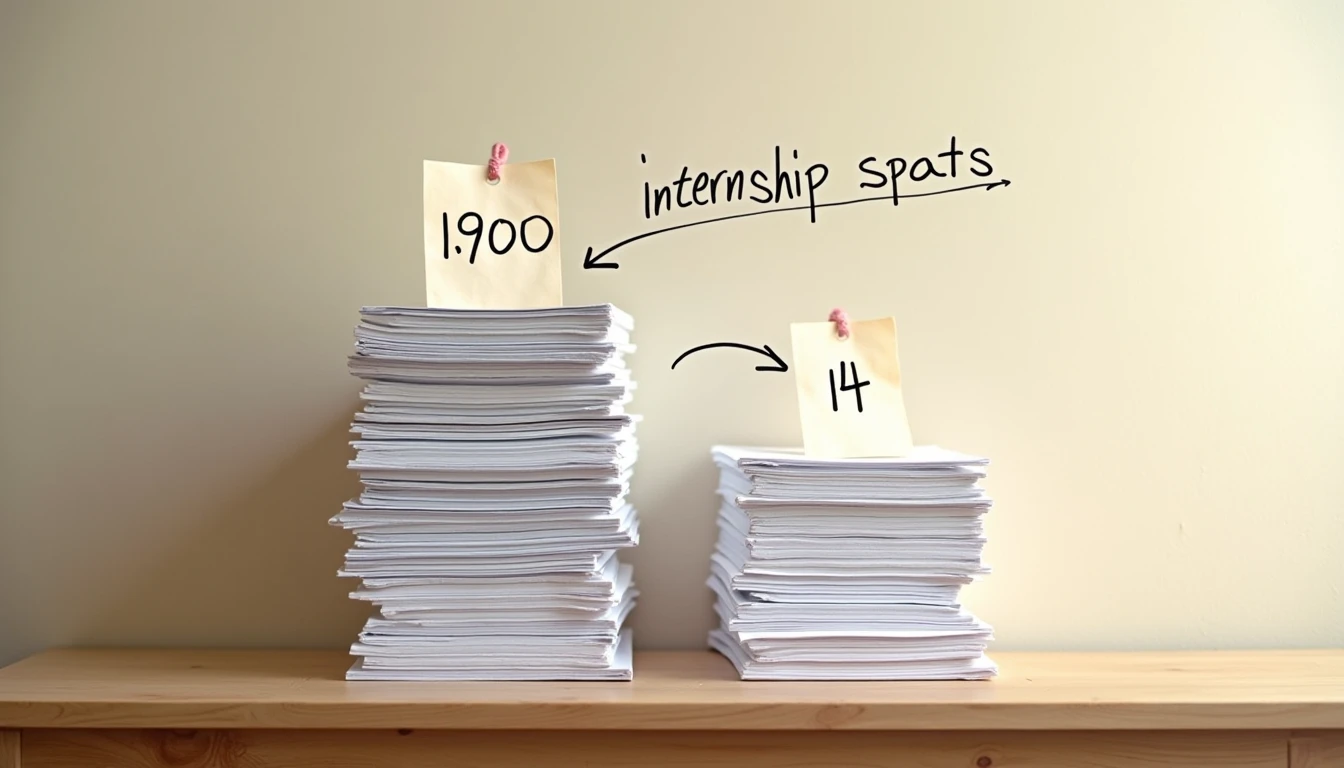
Laila Ward, a Georgia Southern University fashion merchandising student, secured a coveted internship at Tyler Perry Studios in 2025. Out of 1,900 applicants, she was one of 14 chosen. She started as a costume production assistant, coordinating costume logistics across the studio's massive 330-acre campus .
"The culture at the studios, everyone feels like family," Ward said. "We all want to help each other succeed" .
The Skills That Transfer
Film and television costume work teaches designers things that fashion school alone cannot.
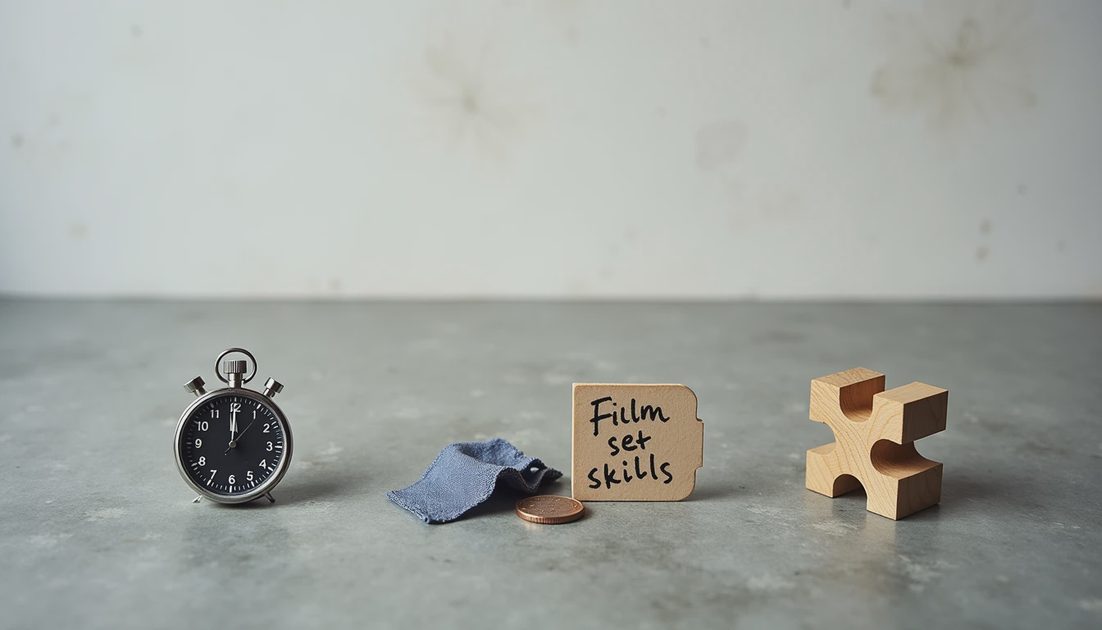
Speed under pressure. On a film set, there are no second chances. A costume rip, a last-minute script change, or an actor's sizing issue requires immediate solutions. That kind of pressure cooking forces designers to problem-solve faster than any classroom critique.
Resourcefulness with limited budgets. Most independent film productions operate on tight budgets. Costume designers learn to source, borrow, repurpose, and create magic from minimal resources — exactly the skills needed to launch a fashion brand without venture capital.
Collaboration across disciplines. Film is a team sport. Costume designers work alongside directors, cinematographers, production designers, and actors. That cross-functional experience translates directly to running a fashion business, where designers must coordinate with pattern makers, sample rooms, manufacturers, and retailers.
Real-world portfolio building. A film credit — even an independent short — carries weight. It proves you can deliver under real conditions, not just in a studio setting.
What the Job Market Looks Like
Search "fashion designer jobs in Atlanta" on any major job platform, and the results tell a clear story: the film and costume track is a legitimate entry point.
The average costume designer salary in the United States is $48,880 per year, with a range from $29,120 to $83,200 depending on experience and location . In Atlanta specifically, costume design roles appear regularly on casting platforms and job boards, from student films to major studio productions .
One recent posting for an independent short film in Atlanta sought a wardrobe stylist or costume assistant to support the wardrobe department. Responsibilities included sourcing pieces, shopping for character looks, and organizing costumes during filming — work that builds exactly the skill set a fashion designer needs .
Another posting, for a New York Film Academy student film shot in Atlanta, sought a wardrobe stylist and costume designer to create character looks for a psychological short film. While the role was unpaid, it offered IMDb credit, meals, and a copy of the final film for the designer's reel .
Those entry-level opportunities add up. And for many Atlanta designers, they add up to a career.
The Creative Cross-Pollination
Beyond the career pipeline, there is a cultural story.
Atlanta's film industry and fashion scene feed each other. Costume designers bring fashion sensibility to the screen. Films and television shows, in turn, showcase Atlanta's unique style to a national audience.
Cheryn Moore, an Atlanta-based stylist and costume designer, has worked on TV shows and indie horror films, with a focus on sci-fi, horror, and period pieces. She also styled the Dazed Maxx Atlanta cover story featuring Atlanta Falcons running back Bijan Robinson .
"Representing Atlanta means honouring the creative scene, cultural depth and unapologetic individuality that makes this city so special," Moore told Dazed .
She describes her approach as "reimagining silhouettes, upcycling vintage and secondhand pieces, or building stories and characters through clothes" . That same approach powers both her film work and her fashion styling.
The Economic Reality
The film-to-fashion pipeline is not a fantasy. But it is also not easy.
Dejah Wallace put it bluntly: "There has been nothing smooth about my journey. Anyone who knows the film and TV industry understands that we're constantly searching for the next project — there's no real job security here" .
Costume design roles are often project-based. Between gigs, there is no guaranteed paycheck. Many designers patch together multiple income streams — freelance styling, personal shopping, small brand launches — while waiting for the next film call.
But for those who can handle the instability, the rewards are real. The skills are transferable. The network is growing. And the city is committed to both industries.
What This Means for Atlanta
Atlanta's film industry is not a side note to its fashion scene. It is a driver.
Every new production creates demand for costume designers, wardrobe assistants, stylists, and support staff. Those roles become training grounds. Some of those trained professionals go on to launch their own brands, as Wallace did. Others move into commercial fashion design, taking their film-honed skills with them.
The cycle feeds itself. More production means more jobs. More jobs means more trained talent. More talent means more fashion brands. More brands mean more attention on Atlanta as a fashion city.
That is not a coincidence. That is a system.
The Bottom Line
Atlanta is not trying to replace New York or Paris as the center of fashion design. But it has built something those cities cannot replicate: a film industry so large that it has become an accidental fashion incubator.
From Tyler Perry Studios to independent short films, costume work is teaching designers how to work fast, collaborate hard, and create on a budget. Those lessons do not stay on set. They travel into brand launches, runway shows, and the city's growing fashion reputation.
The demand for costume designers remains high. The opportunities in Atlanta are real. And the next great Atlanta fashion brand might just start with a job on a film set.