Atlanta has never just followed fashion. It dictates terms.
For decades, the city's hiphop scene has acted as an unofficial trend laboratory—testing silhouettes, fabrics, and attitude long before they appear on runways or in lookbooks. In 2026, that influence is no longer regional. It's becoming the national baseline for men's fashion.
Here's how.
The Death of "Tight and Tailored"
For the past five years, menswear has been slowly loosening. Atlanta hiphop is about to accelerate that shift dramatically.
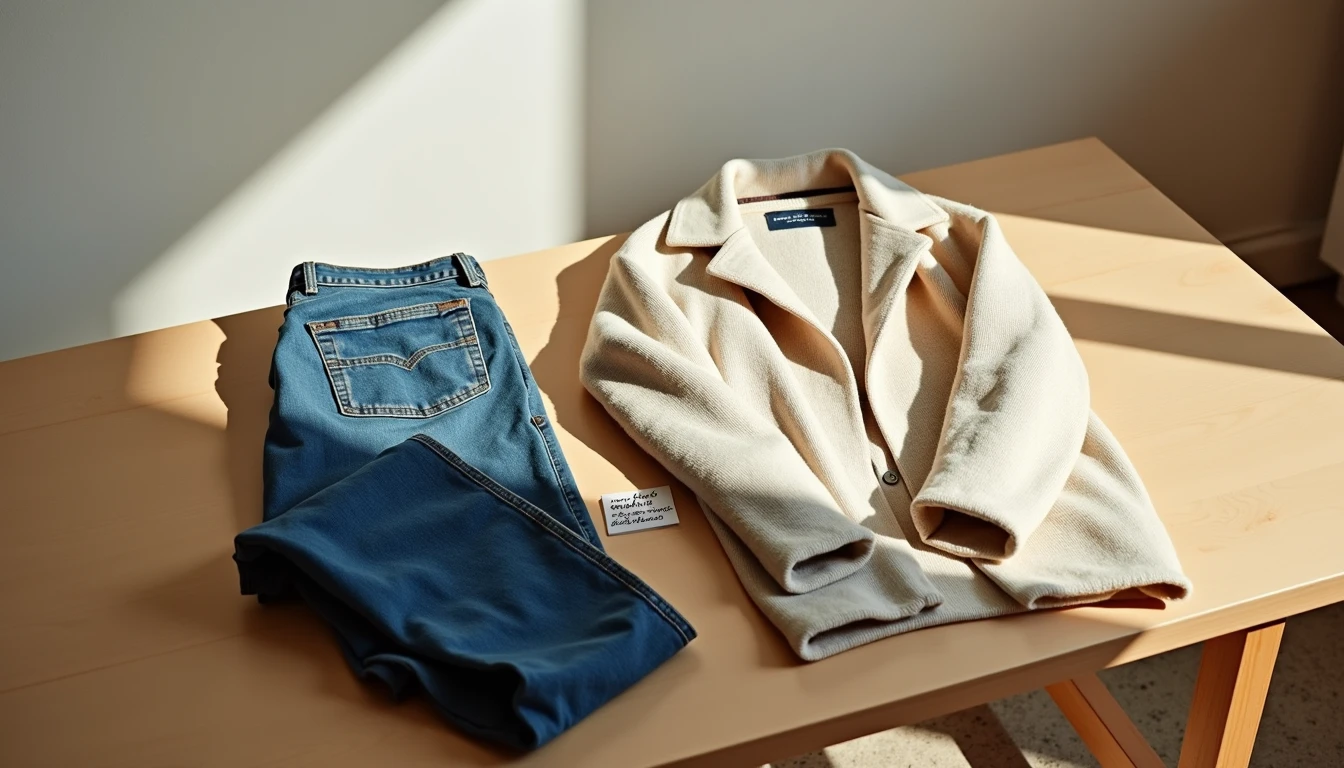
Look at what artists have been wearing on stage, in music videos, and during casual airport walks: wideleg denim, oversized knitwear, and jackets that drape rather than constrict. This is not the exaggerated bagginess of the 1990s. It is intentional volume—clothes that move with the body rather than against it.
By 2026, expect this approach to show up in mainstream menswear collections. Retail buyers are already tracking what Atlanta creatives wear offduty. The message is clear: comfort does not mean sloppy. Volume does not mean shapeless.
Key prediction: Slimfit suit separates will continue declining. Relaxed tailoring—soft shoulders, wider trousers, unlined jackets—will become standard even in conservative office environments.
Luxury Streetwear Becomes Just "Wear"
Atlanta never bought into the artificial divide between streetwear and luxury. In the city's fashion ecosystem, a $1,200 hoodie sits next to custom pieces without contradiction.
By 2026, that hybrid approach will be normal nationwide.
What Atlanta hiphop has proven is that context is everything. A graphic Tshirt becomes luxury when paired with tailored trousers and rare sneakers. A technical fabric jacket works for both the club and a casual business meeting. The garment itself matters less than how it is styled.
This kills two outdated concepts simultaneously: the idea that streetwear is "casual" and that luxury requires discomfort. Atlanta's influence pushes men's fashion toward a single spectrum where quality, fit, and personal expression matter more than arbitrary category labels.
Sneakers as the Anchor, Not the Afterthought
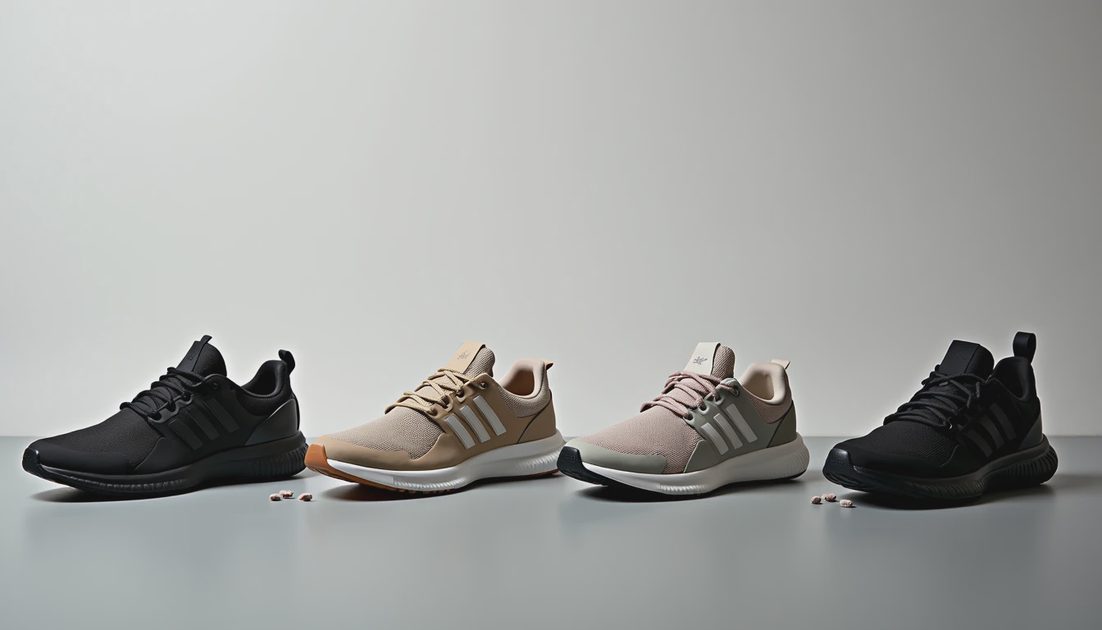
No city treats sneakers with more seriousness than Atlanta.
The resale market here has surpassed Miami's by multiple metrics. Local collectors treat release calendars like financial planners treat earnings reports. And Atlanta hiphop artists have long understood that footwear often communicates more than an entire outfit.
In 2026, expect this sneakerfirst logic to fully integrate into men's fashion nationally. That means:
Outfits built around sneakers, not sneakers chosen to match an outfit
Dress codes that explicitly allow rare or collector sneakers
Price transparency and resale value becoming normal talking points in style conversations
Atlanta has already made sneaker enthusiasm respectable across age and income groups. The next step is making it the default.
The Rise of the Atlanta Silhouette
Fashion capitals have signature silhouettes. New York favors sharp and lean. Milan prefers structured and powerful. Paris leans artistic and unexpected.
Atlanta's silhouette—spread by hiphop culture—is different. It sits somewhere between relaxed and intentional. Wide at the shoulder or chest, easy through the torso, tapered but not tight at the ankle. The overall impression is someone comfortable in their own skin, not dressing to impress strangers.
By 2026, this silhouette will appear in national advertising campaigns and mallbased retailers. It will not be labeled "Atlanta style." It will simply be presented as modern American menswear.
What This Means for Designers and Brands
For designers outside Atlanta, the message is straightforward: stop treating the city as a niche market.
Atlanta's hiphop influence is not about "urban wear" or regional trends. It is about redefining what men want to wear—period. Brands that ignore this will find themselves serving an increasingly small audience of men who still prefer stiff fabrics and restrictive cuts.
For Atlantabased designers, 2026 represents an opportunity to lead rather than wait for validation. The national media is paying attention. Retailers are watching. The infrastructure—manufacturing, logistics, creative talent—is already here.
The Bottom Line
Atlanta's hiphop culture has spent years proving it understands something that traditional fashion houses sometimes forget: men want clothes that look good, feel good, and tell a story about who they are.
In 2026, that understanding becomes mainstream. The only question is how quickly the rest of the industry catches up.